

The Agami Project.
Villages of Opportunities. Spaces of Possibilities.
The Mission
Talent is universal, but opportunity is not.
Climate-health responses remain siloed. Globally, climate change is projected to cause 250,000 additional deaths per year between 2030 and 2050, and a fragmented response limits impact and wastes investment.
In Hindi, Agami means what is yet to come: a future full of hope and potential. In collaboration with local communities, our venture studio builds local opportunities through integrated strategies and coalitions to address the environmental and economic roots of distress migration, so that people can stay on their land, surrounded by those they love.
In India alone, shifting monsoons, warming cities and biodiversity loss are treated as separate problems. Without synchronised climate-smart adaptation, this is what is waiting for us here.
Synchronised action
Instead of spreading thin across many villages, we go deep and focus on one location. Through participatory design, we listen first, understanding the community’s real needs and structural barriers before we act.
01
Villages of Opportunities
We federate regenerative energy, water, infrastructure, and land practices within a single cooperative, and we build coalitions among farmers, government, financial institutions, and experts to make it work. Ventures stay small, decentralised, and cooperatively owned, keeping value and solidarity local.
SDG 1 · 2 · 8 · 13 · 15
02
Spaces of Possibilities
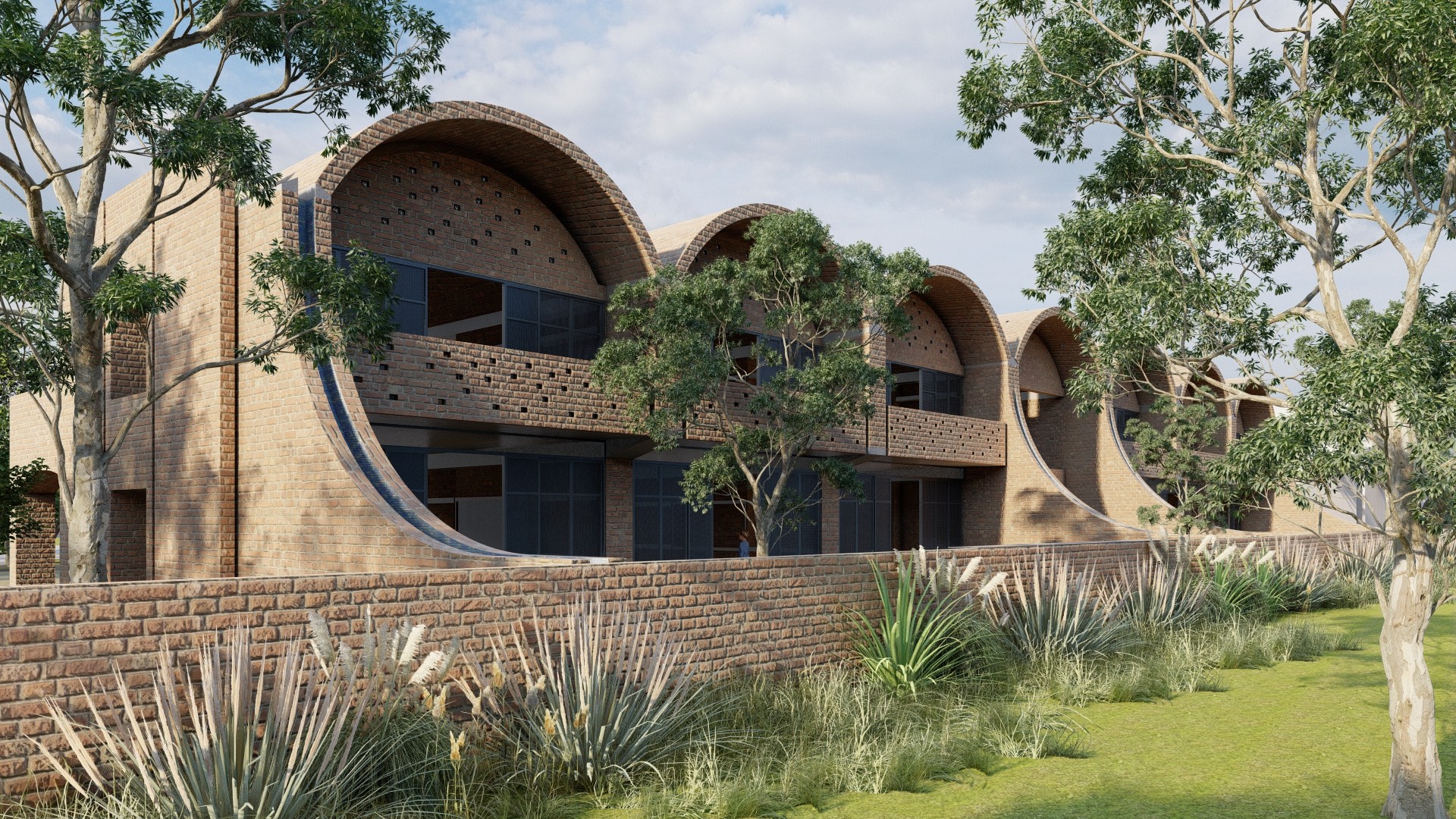
Rooted in participation, we design spaces that question assumptions to power regenerative innovation: construction waste as a precious resource, windowless health facilities that maximise natural airflow, ancient mud houses retrofitted to show that they are the future, converted by professionally trained local women.
SDG 5 · 8 · 11 · 13
03
Communities of Tomorrow
The work only holds if people can build a life around it. We invest in the skills, care and knowledge that let a village keep its young: local women trained as builders and technicians, health facilities designed for the climate they actually sit in, and learning that treats traditional practice as expertise rather than folklore. The measure is simple: whether the next generation has a reason to stay.
SDG 1 · 5 · 8 · 10
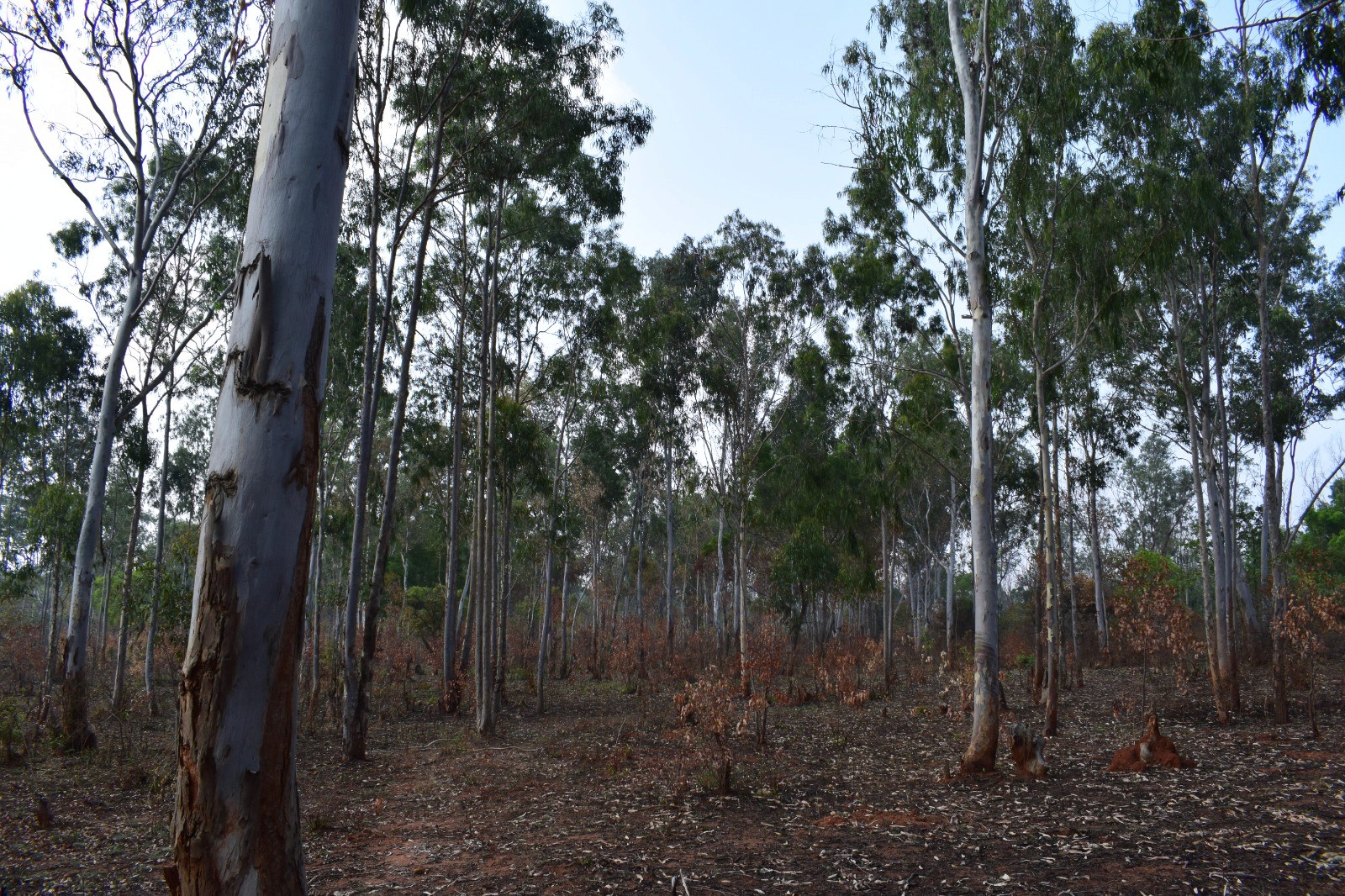
Selected work






Our Network
SDG 17 · Partnerships for the Goals






Five principles

01
Participatory Design
We start by listening. Every venture is shaped around the community’s real needs and barriers, not assumptions.
02
Convergent Infrastructure
Energy, water, land, and infrastructure practices are sequenced together, not siloed, multiplying impact instead of spreading it thin.
03
Small, Local, Scalable Ventures
Decentralised and cost-effective by design, each venture can adjust and scale under the cooperative, keeping value creation local while strengthening solidarity.
04
Integrated Cooperative Ownership
Farmers hold the majority of shares in a single cooperative, ensuring decisions and profits stay in community hands, not ours.
05
Capital Matched to Risk
Blended finance, commercial capital, and carbon-market instruments are matched to each venture’s timeline, de-risking growth without sacrificing patience where it’s needed.
Let’s build what comes next.
Newsletter
Letters from the field
Every other week we write about what we are building, what the villages are teaching us, and where you can help.
Sources
250,000 additional deaths per year between 2030 and 2050: World Health Organization, Climate change and health fact sheet · Up to 13% GDP loss and a 16% drop in agricultural output in India by 2050: Deloitte India, The state of climate response in India (2025) · 40% of families affected by distress migration: The Agami Project, own figure for the Balaghatta cluster · 216 million people moving within their own countries by 2050, up to 80% avoidable with concerted action: World Bank, Groundswell Part 2 (2021)